
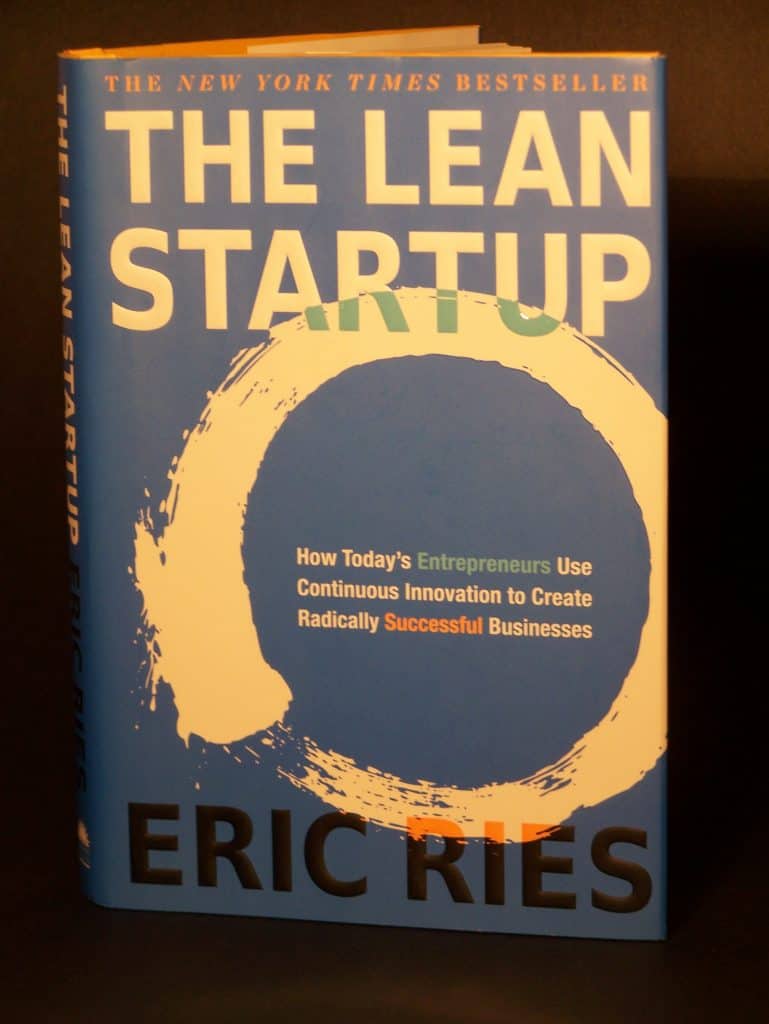
Book Summary – The Lean Startup

Rethinking How We Build, Learn, and Grow
What if progress didn’t require massive plans, perfect execution, or years of waiting?
What if learning faster—not being right sooner—was the real advantage?
That question sits at the heart of this approach.
Today’s work environment moves fast. Assumptions expire quickly. Long planning cycles often collapse under real-world pressure. The answer isn’t doing more—it’s learning earlier.
Learning by doing (and adjusting)
Instead of waiting for certainty, this mindset encourages action. You try something small. You put it in front of real people. You watch closely. Then you adjust.
Not once.
Not twice.
Continuously.
Progress comes from tight feedback loops, not from grand launches.
Ask yourself:
-
What assumption am I making right now?
-
How quickly can I test it?
-
What did I learn that I didn’t know before?
Flow over force
Momentum builds when effort turns into rhythm. As focus sharpens and repetition builds skill, work becomes less forced and more natural. Learning accelerates. Decisions get clearer. Confidence grows—not because everything worked, but because something always taught you something.
The goal isn’t perfection.
The goal is movement.
Steering instead of predicting
Rather than trying to predict the future, this approach is about steering—making small course corrections as new information appears.
You:
-
Take a leap
-
Run a test
-
Measure what actually happened
-
Decide: stay the course or change direction
Neither choice is failure. Both are progress.
Growth without losing agility
As things scale, the challenge becomes staying flexible. Smaller batches, faster feedback, and a culture that asks “why” instead of “who’s to blame” allow organizations—and individuals—to adapt without slowing down.
Growth doesn’t come from avoiding mistakes.
It comes from responding to them well.
The bigger takeaway
This way of thinking isn’t limited to startups or innovation teams. It applies to careers, leadership, personal projects—anywhere uncertainty exists (which is almost everywhere).
-
Start before you feel ready
-
Learn faster than you plan
-
Adjust without ego
-
Eliminate what doesn’t add value
Progress isn’t about having all the answers.
It’s about asking better questions—and being willing to act on what you learn.
If you would like to have a copy of this summary in PDF form to share with others you can click here
If you liked this post, you might want to check out these as well: